'The Witness for the Prosecution'
Critique • Quotes
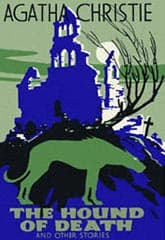 Story collection, 1933
About the story
Author
Agatha Christie, England
First publication
As "Traitor's Hands" in Flynn's magazine, 1925
First book publication
In The Hound of Death story collection, 1933
Form
Story
Genre
Crime, mystery
Writing language
English
Length
Approx. 6,500 words
Darkly twisted
Agatha Christie's classic courtroom drama has endured in many forms. The plot-twisting mystery first appeared as a magazine story titled "Traitor's Hands". But it was retitled for subsequent printings, a play, a film, and several television movies, miniseries and anthology episodes.
In nearly every incarnation the plot and characters of "The Witness for the Prosecution" have been changed—some at the hands of Christie herself, who was unhappy with how the original story turned out.
That story is relatively short but packs a handful of twists into its twenty-odd pages. The last one abruptly ends the piece. Sharply effective.
The main narrative concerns veteran solicitor Mr. Mayherne acting for accused murderer Leonard Vole and expecting Vole's spouse, Romaine, to provide his alibi. In the first reversal (as given away by the story's title) she instead testifies against him.
We are privy to the Mayherne's inner life—his fears, shock and self-satisfaction—as he rides the surprising switches of his client's fortunes. Christie succinctly expresses the personal observations that consume his thoughts and envelops his experiences within a the dark atmosphere, especially in his confrontation with the hideous mystery woman who offers evidence to support his case.
I don't know if this is what the author was going for, but it's all very gothic, almost a throwback to Victorian thrillers.
Stage right
What bugged Christie—and maybe some of her fans at the time—was the story's conclusion. Murderers shouldn't get away with their crimes.
Almost three decades later, when she adapted the story into a stage play, she added plot points to punish the guilty. She also changed and renamed characters and increased dramatic action to buttress the cerebral story for a theatre audience.
The result is arguably Christie's best play, edging out the The Mousetrap. It's the theatrical version of a page-turner. Not particularly credible if you stop rushing ahead and pause to think about it. Its dramatic switch-ups depend a lot on personality changes that have to be really sold by the actors. But superficially it's engaging all the way.
Today's reader, trained in morally ambiguous noir fiction, is less likely than anyone in Christier's heyday to be upset by the original ending. The jaded, atmospheric little story may still be the most sharply effective version you're likely to experience.
— Eric
Critique • Quotes
